
Hard Ice Cream Machines by Configuration
Updated 27 November 2026
Hard ice cream is churned and then frozen to a scoopable consistency, so the machine has to handle a thicker product than a soft serve unit. Within our hard ice cream range the practical choice is between a machine with keep-fresh and one without. This page sets out the two configurations and the rated figures available for each.
Part of Ice cream machines
Compare configurations
Four facts decide most enquiries: output, product form, structure, and the supply available at your site.
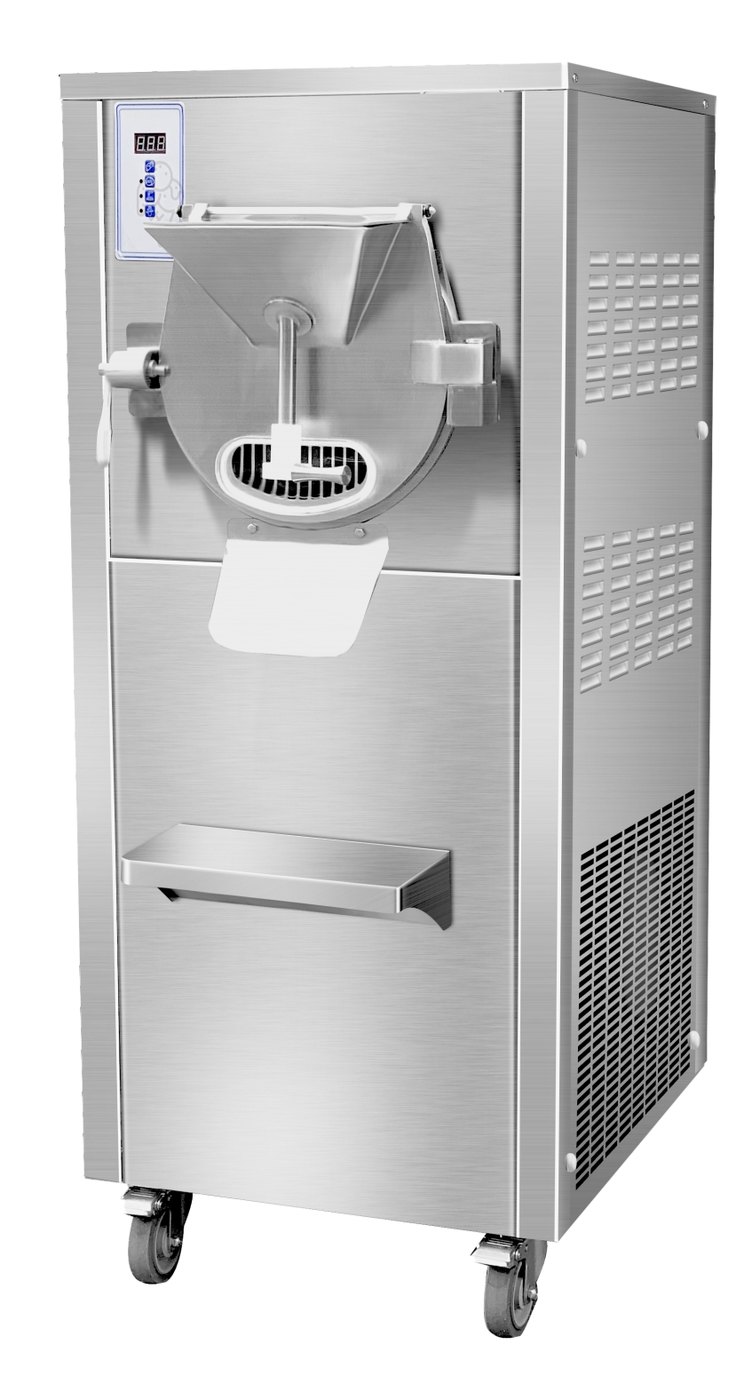
Without keep-fresh
- Output
- 25–28 L/h
- Flavours
- 1 (single mix)
- Structure
- Countertop / floor standing
- Power supply
- 220V/50Hz · 220V/60Hz · 110V/60Hz
With keep-fresh
- Output
- 38–40 L/h
- Flavours
- 1 (single mix)
- Structure
- Countertop / floor standing
- Power supply
- 220V/50Hz · 220V/60Hz · 110V/60Hz
Available options
| Selection factor | Available options |
|---|---|
| Keep-fresh | With keep-fresh / without keep-fresh |
| Structure | Countertop / floor standing |
| Shell material | 304 stainless steel / painted steel — material affects quotation |
Options are listed by configuration, not by model. Confirm the exact configuration and destination supply in your enquiry; material affects quotation.
Specifications by configuration
| Configuration | Rated output | Voltage / frequency | Rated power | Refrigerant | Net / gross weight | Product size (mm) | Packing size (mm) |
|---|---|---|---|---|---|---|---|
| Without keep-fresh | 25–28 L/h | 220V/50Hz · 220V/60Hz · 110V/60Hz | 2000 W | R22 / R404A / R410A | 120 / 130 kg | 760 x 555 x 1350 | 830 x 650 x 1420 |
| With keep-fresh | 38–40 L/h | 220V/50Hz · 220V/60Hz · 110V/60Hz | 3000 W | R22 / R404A / R410A | 140 / 160 kg | 760 x 555 x 1450 | 830 x 620 x 1550 |
Rated output and power are nameplate figures. The keep-fresh configuration holds the product at serving temperature between batches; the exact behaviour should be confirmed for the configuration you order. Voltage and plug type are supplied to the customer's requirement.
Figures above are transcribed from the maker's specification sheet and last checked 27 November 2026. A dash means the item is not applicable to that configuration or has not been confirmed yet — ask before ordering.
Photos of this range
Units shown as supplied. Configuration is agreed per order.
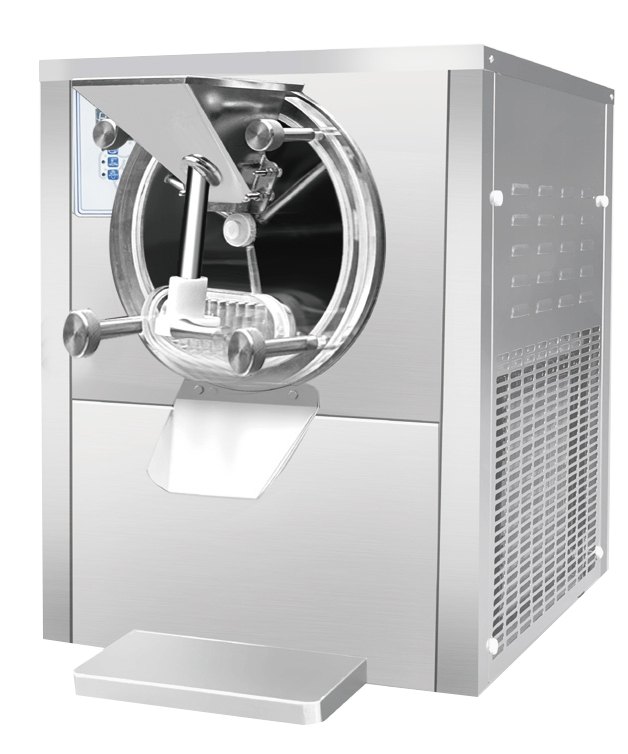
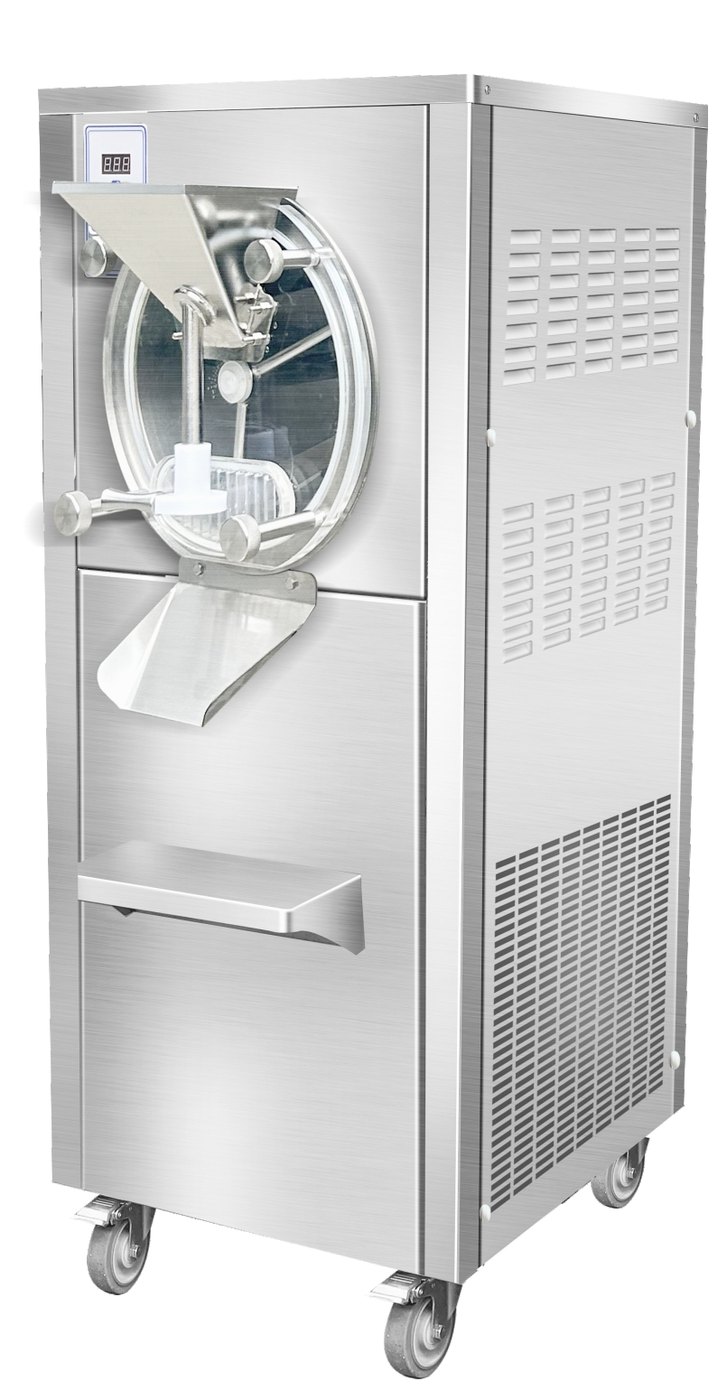
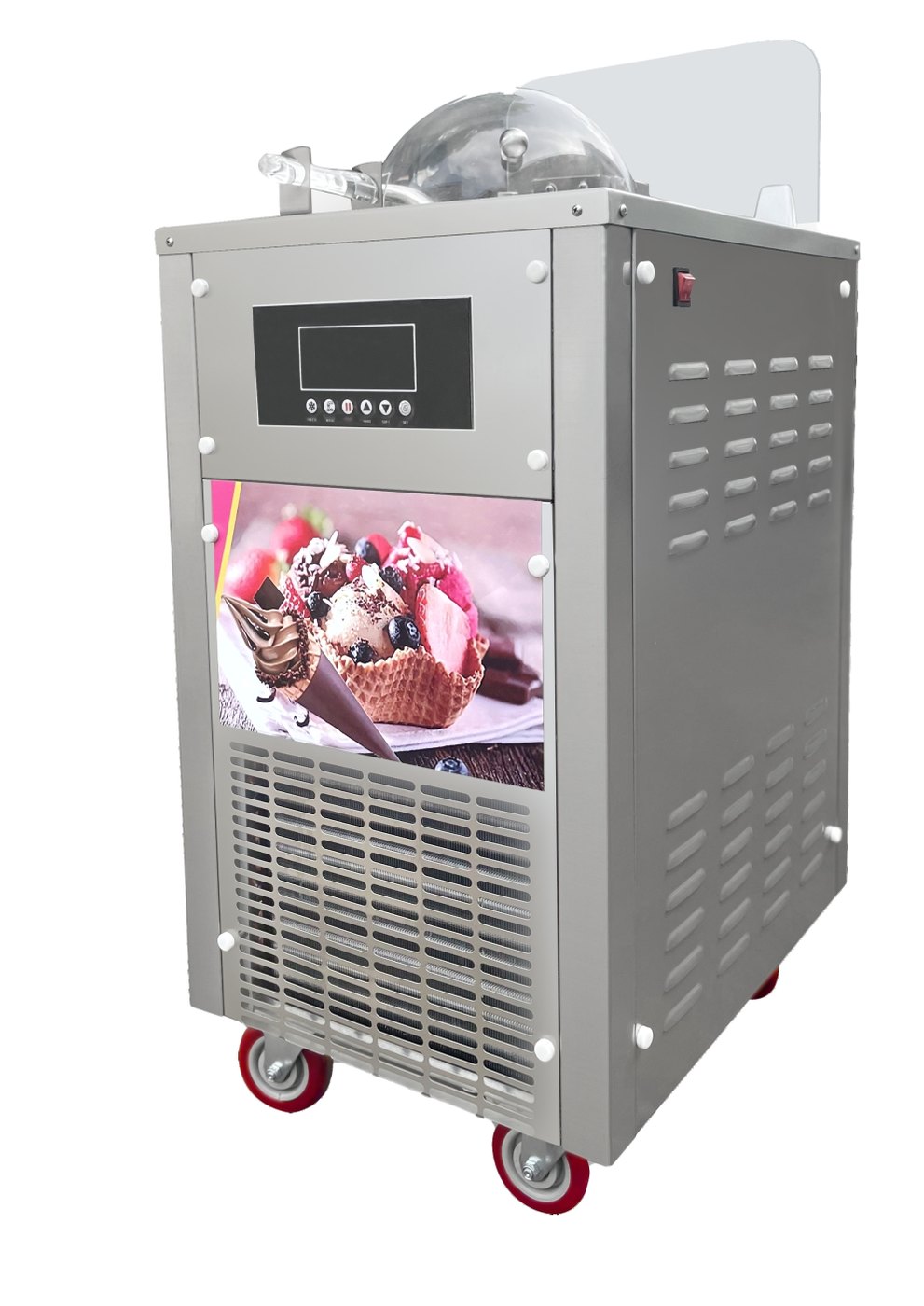
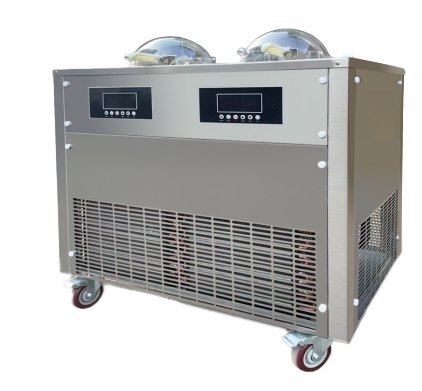
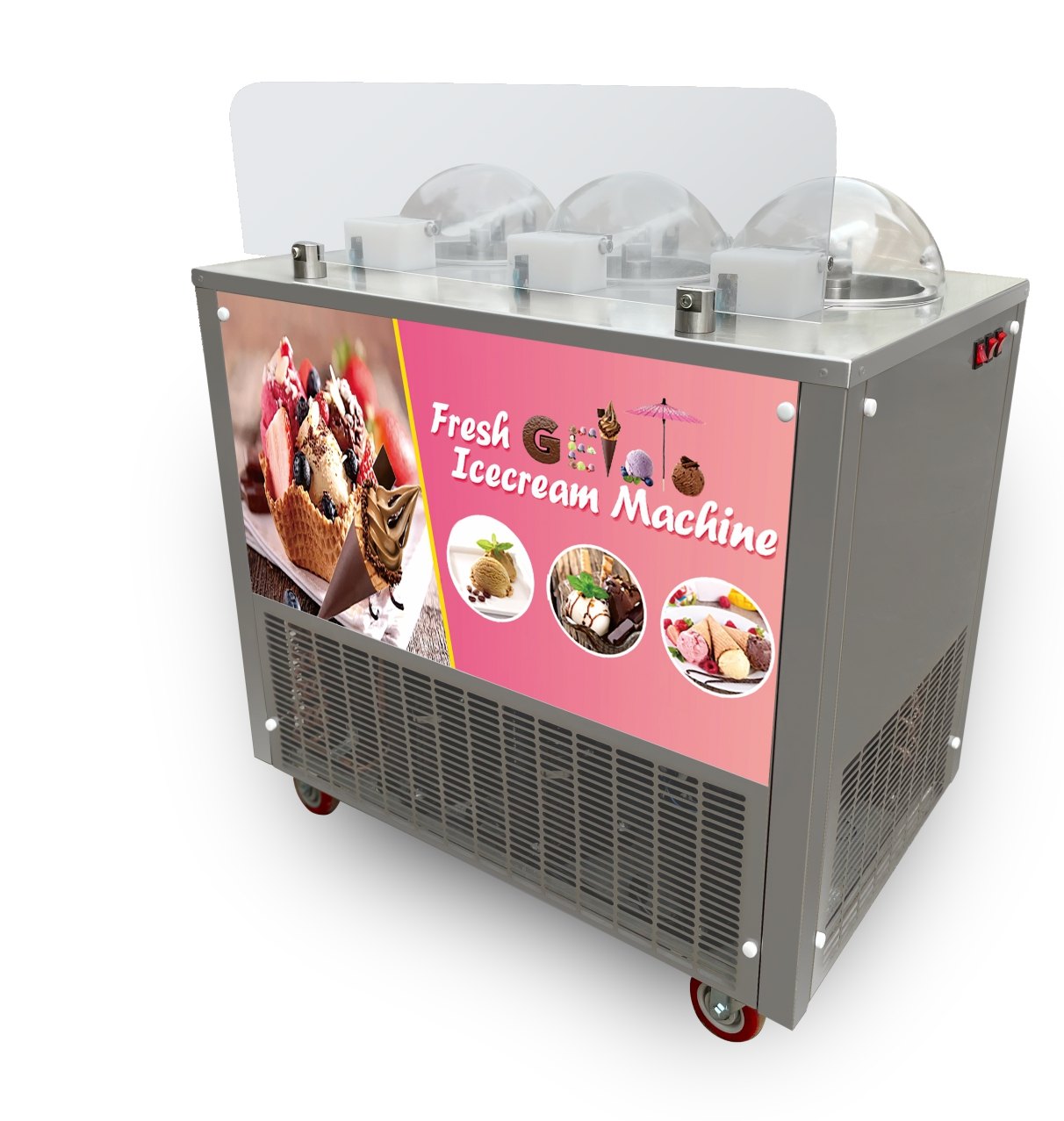
Range: keep-fresh or not, sized by output
The hard ice cream range is built on two axes. The first is whether the machine holds finished product at serving temperature (keep-fresh) or produces a batch that is dispensed or transferred out. The second is hourly output: models step up in output tier, and within a tier the electrical supply and net weight differ, so the same barrel size can be supplied against different market requirements.
The category covers both the scoopable product sold by the ball and packed by the tub, and the denser Italian style sold as gelato. Both are churned and frozen to a solid consistency, so the machine selection is driven by the texture you sell and the volume you turn over rather than by the name on the menu.
Pick the tier by the volume you sell on an ordinary day, not by the largest machine the budget allows. A machine running well below its capacity recovers slowly between batches and holds temperature less consistently than one working near its designed load.
With and without keep-fresh
The distinction between the two hard ice cream configurations is functional. A machine without keep-fresh produces a batch that is dispensed or transferred out; a machine with keep-fresh maintains the finished product at a stable serving temperature so it can be scooped later without waiting. If you serve continuously from the machine, the keep-fresh version reduces the gap between batches. If you make product ahead and move it to a separate freezer, the simpler configuration may be all you need.
This is not a claim about build quality or about one configuration being superior. It is a question of workflow. A gelato counter that scoops from the machine all day has a different pattern from a catering operation that produces trays in advance. Decide the workflow first, then read the output figures.
Output, power and overrun
The rated output on this page ranges from 25 to 28 litres per hour for the simpler configuration and 38 to 40 litres per hour for the keep-fresh version. These are nameplate values under the conditions declared on the machine, not a promise of what any shop will achieve. Mix composition, starting temperature, overrun and the way product is removed all influence real throughput.
Overrun is the amount of air incorporated into the mix. It affects both volume and texture, and a change in overrun will change how a given litre of mix translates into servings. If portion cost matters to you, ask how overrun is controlled on the configuration you are considering and whether it can be set consistently.
Power figures are shown in watts and are nameplate ratings. They are useful for planning the electrical supply, but they do not by themselves tell you how quickly a machine recovers after a busy period; barrel design, refrigerant charge and ambient temperature matter too.
Electrical and refrigerant considerations
Both configurations are listed at 220V/50Hz, 220V/60Hz and 110V/60Hz on the source specification. These are separate supply variants, not a single machine that accepts everything. State your voltage, frequency and plug shape in the enquiry form so the correct version can be proposed.
Refrigerant options shown on the source specification include R22, R404A and R410A, and availability varies by configuration. Some markets restrict particular refrigerants. If your destination country has such rules, say so at enquiry stage so the charge can be matched to the destination rather than changed after arrival.
Service and consumables
Hard ice cream machines share much of their maintenance with soft serve equipment: scraper blades, door seals and dispensing parts wear and are replaced. The parts catalogue lists common items with fitment information. Keeping a small set of wear parts on hand is usually cheaper than losing service time during a peak period.
For a comparison of where hard and soft serve equipment fits in a shop, see the gelato shop and ice cream shop pages. If you are adding ice cream to an existing drinks business, the bubble tea shop page sets out a smaller starting configuration.
Questions buyers ask
What is the difference between the two configurations?
One maintains finished product at serving temperature; the other produces batches for dispensing or transfer.
Can I make gelato in these machines?
Hard ice cream equipment is used for scooped products. For a full gelato menu, review the gelato shop page and confirm the configuration.
Which voltage will I get?
Supply is to the customer's requirement. Tell us your voltage, frequency and plug shape before ordering.
Are the output figures guaranteed?
No. They are nameplate ratings under declared conditions; real output depends on mix and service pattern.
Related
Equipment for a gelato counter
How this machine fits into a working setup, with the equipment that goes with it.
Open →Questions buyers ask
Output, supply, materials and what has to be confirmed before an order.
Open →Parts and replacement components
Wear items and spares listed by fitment, for maintenance after the machine is in service.
Open →How orders are handled
Guangzhou Baiyi is an ice cream equipment supplier based in Guangzhou, China.
We are responsible for specification definition, order follow-up, documentation and logistics coordination.
Inspection before shipment can be arranged; scope and provider confirmed at order.
Send your requirements
Tell us where you are and what you need. * Required