
Commercial Ice Machines by Output and Ice Form
Updated 27 November 2026
A commercial ice machine is selected on two things: how much ice you need in a day, and what shape of ice your product calls for. Cube, crescent, flake and crushed are the four forms in this range, and the form decides the machine more than the kilogram figure does. Crushed ice comes from a machine set up for it, not from a separate product type. Block ice and snow flake ice are separate lines under ice machines.
Part of Ice machines
Compare configurations
Four facts decide most enquiries: output, product form, structure, and the supply available at your site.
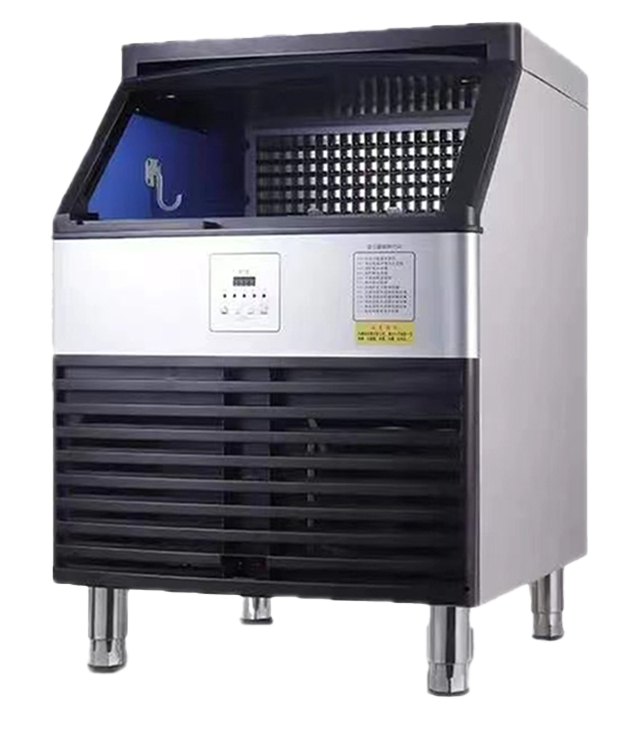
Cube ice
- Output
- 30–1000 kg / 24h
- Ice form
- Cube
- Structure
- By configuration
- Power supply
- Supply to your requirement
Crescent ice
- Output
- 30–1000 kg / 24h
- Ice form
- Crescent
- Structure
- By configuration
- Power supply
- Supply to your requirement
Flake ice
- Output
- 30–1000 kg / 24h
- Ice form
- Flake
- Structure
- By configuration
- Power supply
- Supply to your requirement
Crushed ice
- Output
- 30–1000 kg / 24h
- Ice form
- Crushed
- Structure
- By configuration
- Power supply
- Supply to your requirement
Available options
| Selection factor | Available options |
|---|---|
| Ice form | Cube ice / crescent ice / flake ice / crushed ice |
| Daily output | 30–1000 kg / 24h, by configuration |
| Storage | Built-in bin on most models; bin volume stated per model |
Options are listed by configuration, not by model. Confirm the exact configuration and destination supply in your enquiry; material affects quotation.
Specifications
Daily output options run from 30 kg to 1000 kg per 24 hours. Ice forms are cube, crescent, flake and crushed. Full per-configuration values are available on enquiry.
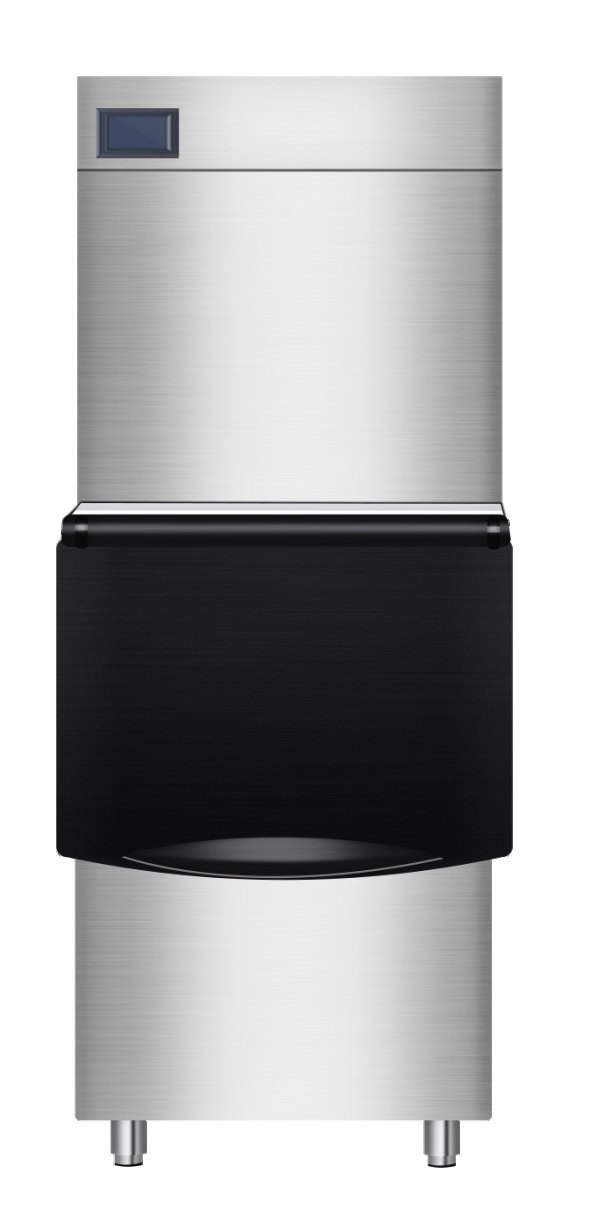
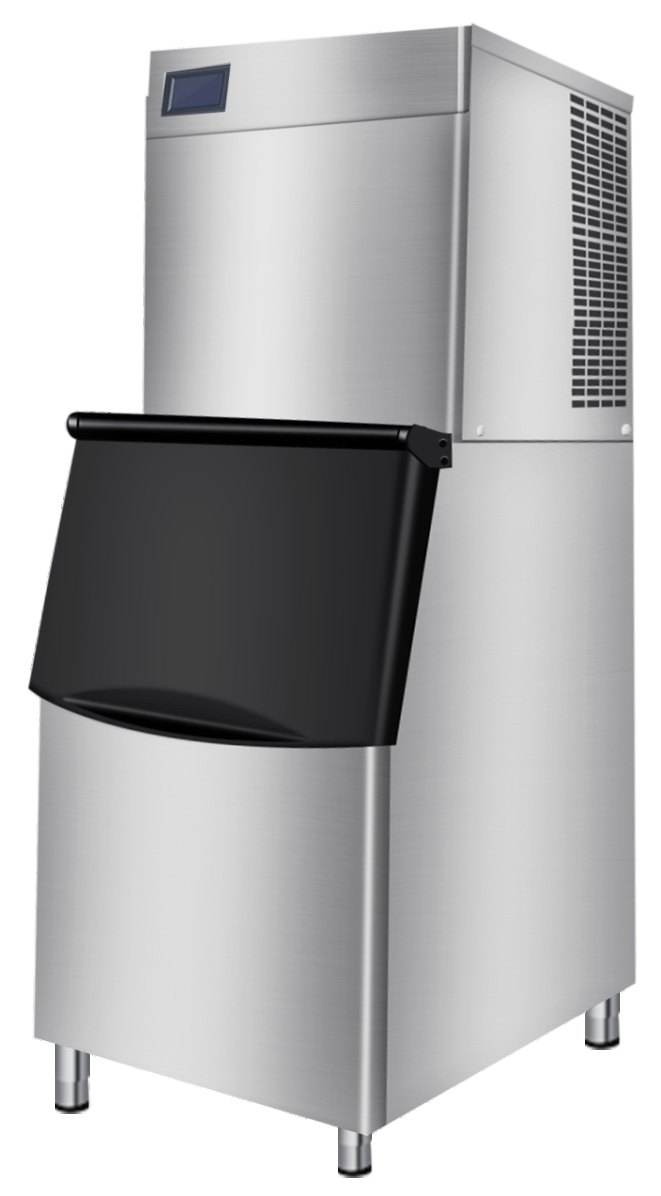
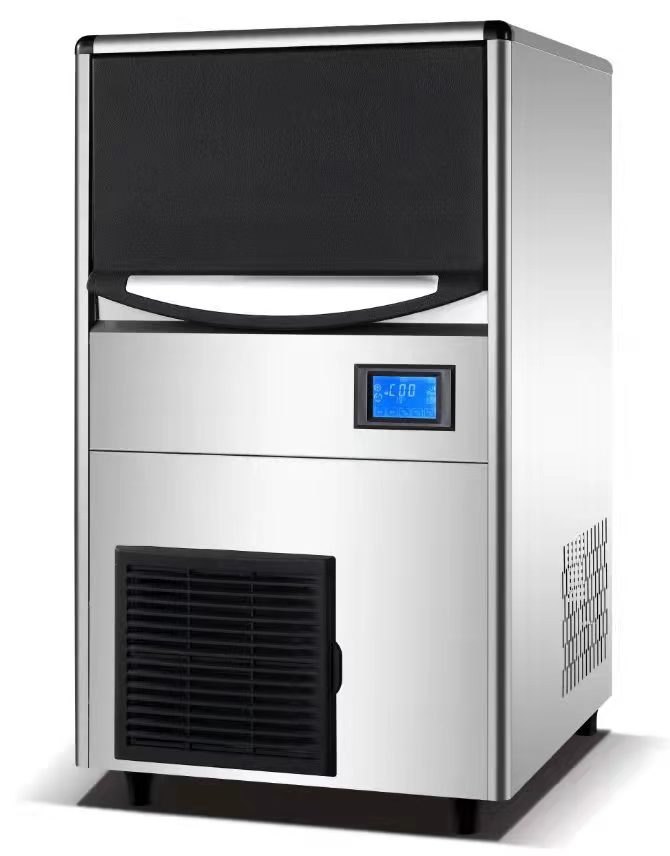
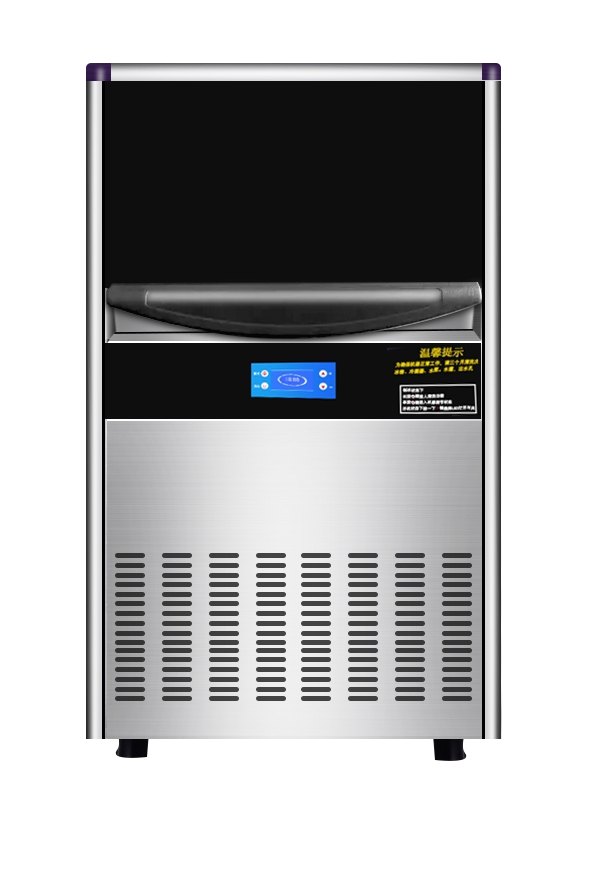
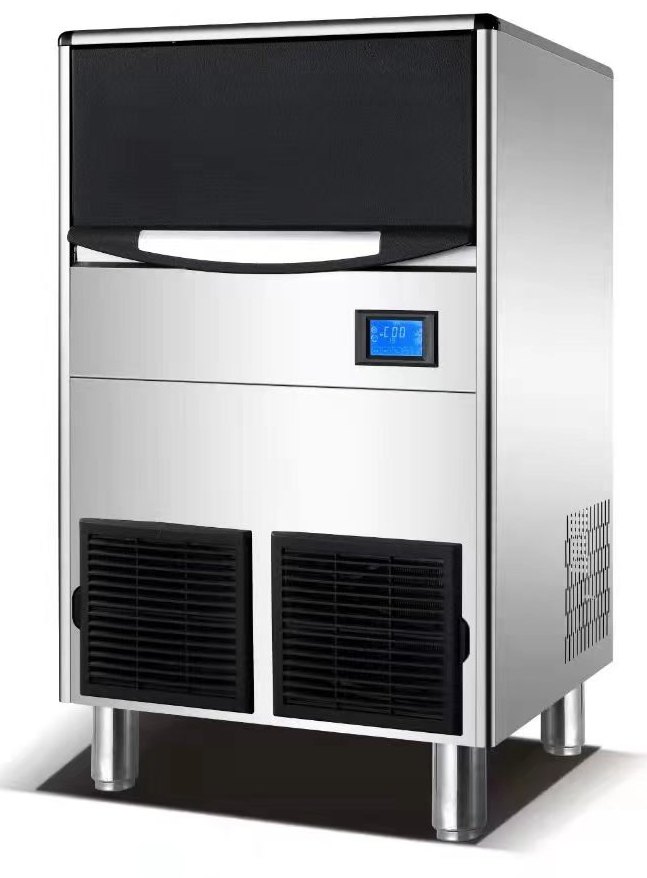
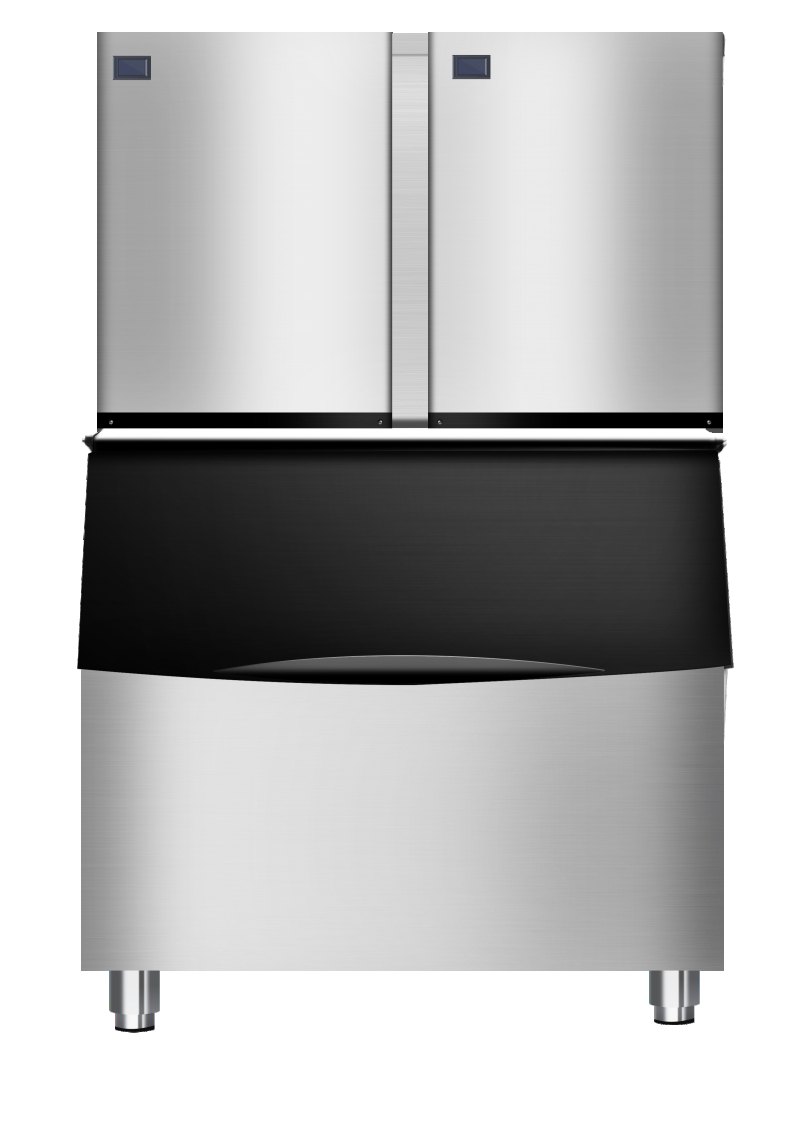
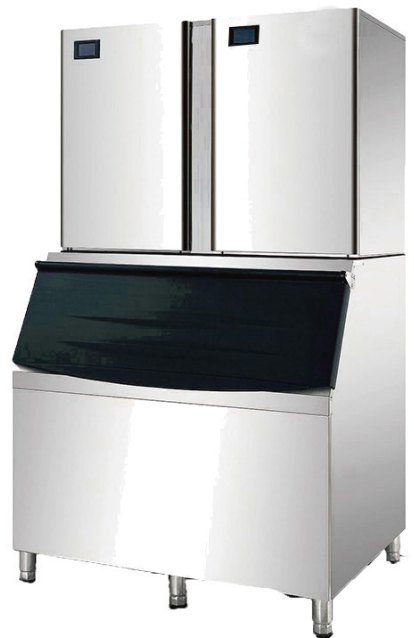
Photos of this range
Units shown as supplied. Configuration is agreed per order.
Size drawings
Overall dimensions in millimetres, one drawing per model. Drawings are supplied with the machine.
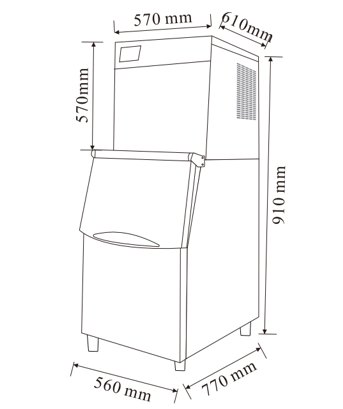
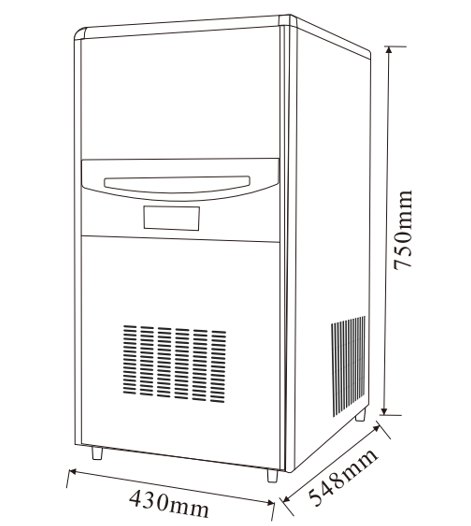
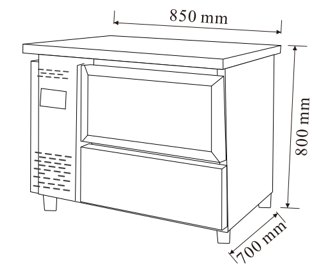
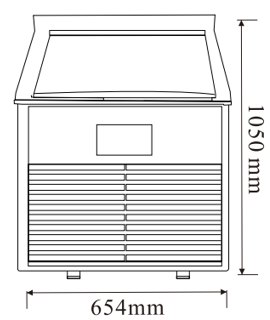
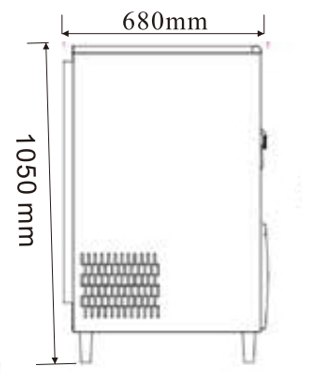
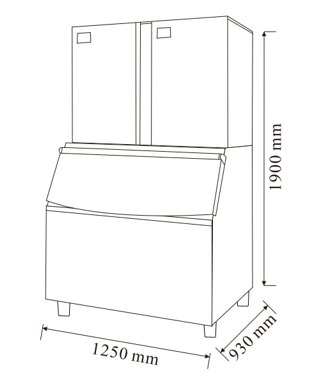
Range: 30 to 1000 kg per 24 hours
The range covers four ice forms — cube, crescent, flake and crushed — with daily output from 30 kg to 1000 kg per 24 hours. That span covers a small cafe keeping one display case chilled through to a food-service or processing operation that needs ice around the clock, and it is why ice form is settled first and output second.
Output is stated per 24 hours at declared conditions. Incoming water temperature and ambient temperature both reduce real output, so a machine sized for a cool back room will fall short in a hot kitchen. Tell us where the machine will stand and how much ice you draw on your busiest day.
Block ice and snow flake ice are separate machines with their own pages under ice machines, because they are sized on different figures.
Choosing an ice form
Flake ice has a large surface area and cools product quickly, which is why it is common in food display and in seafood or produce handling. Crushed ice is similar in purpose but with a different texture and melt behaviour. Cube ice melts more slowly and is the usual choice for drinks, where dilution matters. Crescent ice sits between the two: a curved piece that packs into a glass or a bin without wedging, and melts at a rate that suits soft drinks and iced coffee.
For ice cream and frozen dessert displays, flake ice is often used around the container to hold temperature. For beverages, cube or crescent ice is the default. If your business uses ice in more than one way, it is usually better to specify two smaller machines than one machine forced to do both jobs badly.
Sizing by daily output
Output is expressed as kilograms per 24 hours. Our range covers roughly 30 kg to 1000 kg per day, which spans a small cafe to a busy food-service operation. To size a machine, estimate your peak-day consumption rather than an average day, and remember that a machine produces ice over a full cycle; you need enough storage and production capacity to cover the period when you are busiest.
Ambient temperature and incoming water temperature both reduce real output. A machine rated for a cool kitchen will produce less in a hot location. Give us your site conditions in the enquiry so the recommendation reflects where the machine will actually stand.
The term 'keep fresh'
In this product area, keep-fresh describes holding an already-made product at a constant temperature so it is ready to use without a long wait. It describes temperature holding only, and it does not extend shelf life beyond what proper storage allows. If you need a definition written into a specification for your local authority, ask and we will provide the wording used by the supplier.
Questions buyers ask
Which ice form should I buy?
Cube or crescent for drinks, flake for display and cooling. Choose on the product, not on price.
How do I size daily output?
Use your peak-day consumption and allow for warm ambient conditions.
Do you supply different voltages?
Supply is to the customer's requirement; state your voltage and plug shape when you enquire.
Where are block ice and snow flake ice?
They are separate lines under ice machines, with their own pages.
Related
Ice supply for a hotel buffet
How this machine fits into a working setup, with the equipment that goes with it.
Open →Questions buyers ask
Output, supply, materials and what has to be confirmed before an order.
Open →Parts and replacement components
Wear items and spares listed by fitment, for maintenance after the machine is in service.
Open →How orders are handled
Guangzhou Baiyi is an ice cream equipment supplier based in Guangzhou, China.
We are responsible for specification definition, order follow-up, documentation and logistics coordination.
Inspection before shipment can be arranged; scope and provider confirmed at order.
Send your requirements
Tell us where you are and what you need. * Required